

Eating a healthy diet is essential for maintaining good health and preventing chronic diseases. However, with so many different foods and diets out there, it can be challenging to know where to start. In this comprehensive guide, we will provide you with information about the healthiest foods to eat, as well as tips for incorporating them into your diet.
Whole foods are minimally processed, nutrient-dense foods that provide a range of essential vitamins, minerals, and other nutrients. They include fruits, vegetables, whole grains, legumes, nuts, and seeds. Whole foods are a great choice for a healthy diet because they are typically low in calories, high in fiber, and packed with important nutrients that can help to reduce the risk of chronic diseases such as heart disease, diabetes, and cancer.
Super-foods
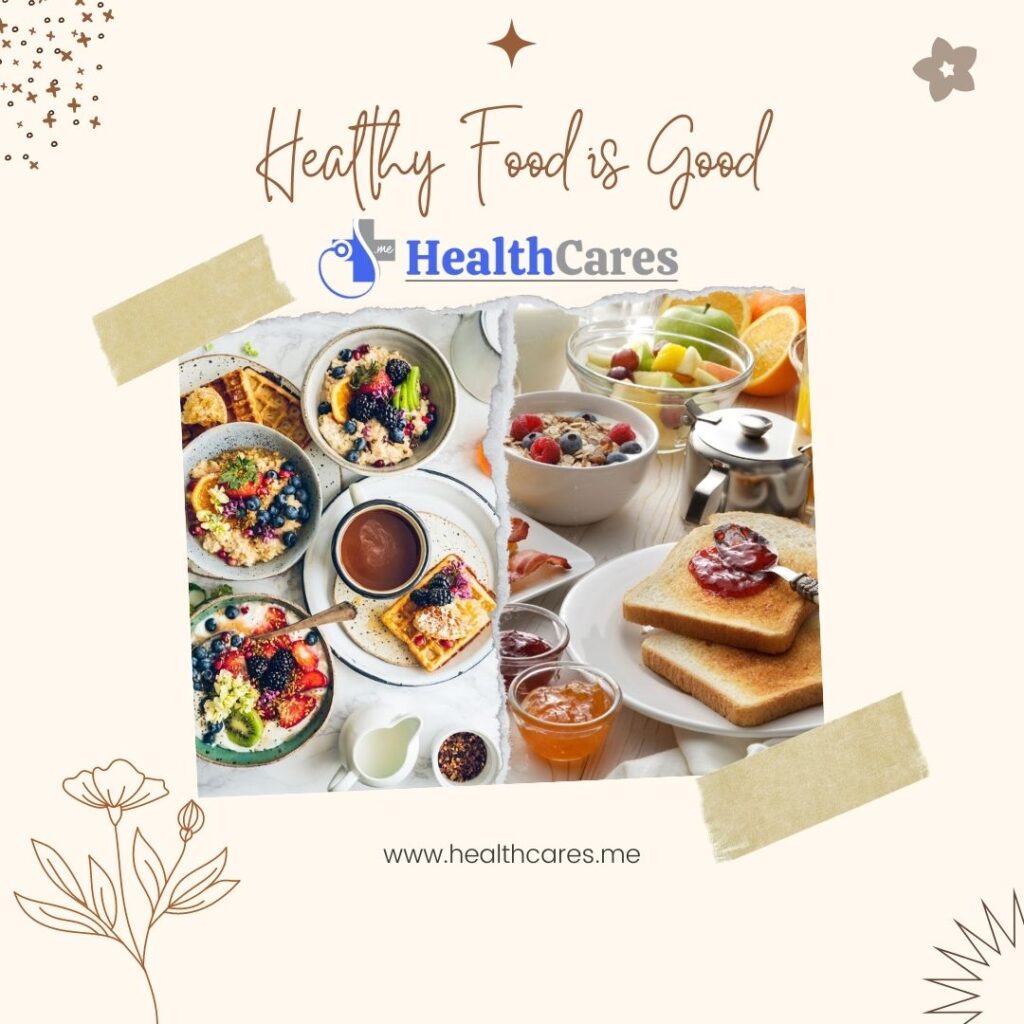
Super-foods are foods that are particularly high in nutrients and antioxidants, which can provide a range of health benefits. Some examples of super-foods include blueberries, kale, quinoa, and salmon. These foods are particularly beneficial because they are rich in vitamins, minerals, and other nutrients that can help to reduce inflammation, boost the immune system, and improve overall health.
Plant-Based Diet

A plant-based diet is a way of eating that focuses on foods that come from plants, such as fruits, vegetables, whole grains, legumes, nuts, and seeds. This type of diet is rich in fiber, vitamins, and minerals and has been shown to reduce the risk of chronic diseases such as heart disease, diabetes, and cancer. Plant-based diets are also typically lower in calories than diets that include meat and dairy products, which can be beneficial for weight management.
Balanced Diet
A balanced diet is a way of eating that includes a variety of different foods from all of the major food groups. This type of diet provides the body with the nutrients it needs to function properly, including vitamins, minerals, protein, carbohydrates, and healthy fats. A balanced diet can help to reduce the risk of chronic diseases, maintain a healthy weight, and improve overall health and well-being.
Low-Calorie Foods

Low-calorie foods are foods that are low in calories but still provide important nutrients. These foods are often high in fiber, which can help to reduce appetite and promote feelings of fullness. Examples of low-calorie foods include fruits and vegetables, whole grains, lean proteins, and healthy fats such as avocados and nuts. By incorporating these foods into your diet, you can help to reduce your overall calorie intake and promote weight loss.
Benefits of Healthy Eating
Eating a healthy diet has numerous benefits for overall health and well-being. Some of the benefits of healthy eating include:
- Reduced risk of chronic diseases such as heart disease, diabetes, and cancer
- Improved immune function
- Increased energy and productivity
- Improved mood and mental health
- Better sleep quality
- Reduced inflammation and oxidative stress
- Healthy Eating Tips
Incorporating healthy foods into your diet can be challenging, especially if you are used to eating a diet that is high in processed foods and low in nutrients. However, there are some tips that can help you to make the transition to a healthier diet:
Start small: Make small changes to your diet, such as incorporating more fruits and vegetables or switching to whole grains.
Plan ahead: Plan your meals in advance to ensure that you have healthy options available.
Avoid processed foods: Try to limit your intake of processed food.
Read More: Tips for Sustaining Good Mental Health